Блог

  • Как решить скользкий вопрос с провайдером интернета

    Как решить скользкий вопрос с провайдером интернета

    В процессе осуществления финансовой деятельности иногда требуется решить скользкий вопрос с тем или иным провайдером интернета. Для этого совсем не нужно разбираться в тонкостях работы его оборудования или знать какие-то сложные технические нюансы, которым нужно учиться в универе несколько лет…

    Решение вопроса лежит скорее в плоскости социальной инженерии, нежели требует личного вовлечения в какие-то суперсложные технологические процессы. Об этом очень хорошо рассказывает видеоролик с Кевином Митником и его друзьями, как они легко решили свой скользкий вопрос с телефонной компанией.

    Как правило сотрудники любой телефонной компании или провайдера интернет в Украине очень ушлые люди, и каждый уверен, что это только благодаря ему компания работает и получает прибыль, а руководство получает деньги просто так, нещадно обирая весь технический персонал.

    Дроповоды Darkmoney очень ценят инсайдеров телеком компаний

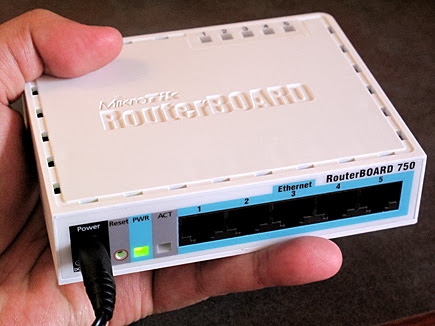
    С такими людьми можно работать и даже нужно! Они легко идут на контакт и за деньги готовы показать не только любую конфигурацию любого установленного на узле Укртелекома оборудования, но и скинуть родную маму с проходящего поезда.

    Правда вносить ручками в конфигурацию устройств они сами ничего не будут, потому что все их действия записываются сервером tacacs, но этого для решения скользкого вопроса вам вообще и не понадобится.

  • It’s quite difficult to do business outside of Darkmoney

    It’s quite difficult to do business outside of Darkmoney

    So I started out thinking this was going to be awesome and that carding would be so easily. I have spent so much fictitious money in my head already but in reality i’ve only lost money.

    unverified sellers often scam

    Here in Brazil it appears to be really difficult to card compared to out there. POS machines require pins even for swiped 201s. They require cvv2 or DOB for 101s. As well as some places require matching plastics. I have not been able to find much info online about carding specifically in Brazil and most of the stuff in tutorials do not apply here.

    I have not found anyone that has 101’s with cvv2, nor 201s with pin. For all the Brazilian carders out there, skype me or post here and maybe you can help me out, maybe we can help each other out. Any advice/tips would be appreciated.

  • EU Proposal Would Require Banks to Justify Decisions to Turn Away Risky Clients

    EU Proposal Would Require Banks to Justify Decisions to Turn Away Risky Clients

    An EU plan approved Thursday that could force banks in member-states to open accounts for most applicants would complicate anti-money laundering compliance efforts, according to critics.
    How to Turn Away Risky Clients
    With support from a broad coalition of political parties, members of the EU Parliament endorsed a measure that, if adopted by the union’s 28 national governments, would require financial institutions to make clearer and quicker fee disclosures and ease the ability of consumers to switch banks.
    Under the initiative, countries would also ensure “that payment accounts with basic features are offered to consumers by all payment service providers in their territory.” The features include allowing consumers to deposit and withdraw cash, pay bills and buy goods online and initiate payment orders from their accounts.
    Banks would have to open an account “within seven business days of receiving a complete application, including proof of identity,” under the plan.
    The proposal “goes too far,” and would raise a number of compliance challenges for financial institutions in Europe, according to Florence Ranson, an EU affairs specialist with the European Banking Federation (EBF), a Brussels-based industry group.
    In a June comment letter, the industry group said that the plan ignores money laundering risks linked to cross-border payments as well as variances in recordkeeping and document rules among EU member-states. The proposal would “enable criminals to open up a bank account more easily due to less stringent AML legislation,” the EBF said.
    “We agree with the idea of granting a basic bank account with very limited features at the national level for people who are financially excluded, but we do not agree with the imposition of this measure at a cross-border level,” said Ranson. “Banks defend the legal notion of freedom of contract” that allows companies to choose customers without government input, she said.
    The plan would allow banks to reject customers who don’t pass anti-money laundering checks or already have an account in the country, but financial institutions would have to justify such decisions in writing. Consumers could then challenge the rejections at an “alternative dispute resolution body.”
    “Even in these cases, a refusal can only be justified where the consumer does not comply with [AML rules] and not because the procedure to check compliance…is too burdensome or costly,” the proposal reads.
    The EU Commission will begin discussing the plan next month with national governments, which must then pass legislation to implement the measures, officials said Thursday.
    The measure represents the European Parliament’s position for negotiations with member-states and “therefore the final outcome is subject to change,” said EU Parliament spokeswoman Daria Kolenska.
    Rules vs. responsibilities
    Banks have faced recent criticism for their decisions to turn away clients due to AML-related risks.
    Citing regulatory risks, London-based Barclays Plc announced in May that it was cutting ties with 250 money services businesses, including Somalia-based Dahabshiil Holdings Ltd. The Somali MSB won a temporary injunction from a U.K. court in November ordering the bank to maintain its accounts in an effort to preserve remittances to the cash-poor country.
    Barclay’s decision to close Dahabshiil’s account reflects the conflict between banks’ AML compliance duties and broader social responsibilities, said Mark Outhwaite, former head of compliance for Standard Chartered Bank’s private banking operations.
    Regulators allow financial institutions to choose their customers based on risk “because, at the end of the day, it’s the bank that’s going to have to answer for their decisions if they’ve gone wrong,” he said.
    Unbanked abroad
    Thursday’s proposal to require the provision of banking services could also reverse a worsening banking situation for American expats after the passage of the U.S. Foreign Account Tax Compliance Act, or FATCA. The law, which mandates that foreign banks regularly disclose data on their U.S. clients or face withholding taxes on payments leaving the United States, has prompted some European institutions to circumvent the problem altogether.
    Rather than overhaul their due diligence programs and account opening procedures to comply with FATCA, several EU banks have chosen to close any account they maintain for U.S. citizens, said Ranson.
    “The implications of FATCA are so far reaching that many individual banks prefer not to enter in a contractual relationship with American customers,” she said. The problem may be short-lived because an expected global plan on financial data exchanges will impose similar requirements on clients, mitigating the pressure to single out American customers, said Ranson.
    According to World Bank statistics, roughly 58 million people living in the EU don’t have bank accounts, or 11 percent of the union’s total population.
    Under current banking practices, most EU persons can only open bank accounts in their home country, limiting the ability of EU students and migrant workers to transfer and receive funds to and from their home countries.
    In 2011, migrant workers transferred nearly 40 billion euros to their countries of origin, according to Eurostat, the statistical office of the European Union.
    “Guaranteeing mobility within the European Union must remain a common objective of the Member States,” EU Commission officials said in a report last month. “The access to a bank account as a universal right for all citizens in the European Union, including vulnerable groups, constitutes a crucial contribution to this goal.”
  • Cпецслужбы используют поддельные сертификаты для перехвата трафика

    Cпецслужбы используют поддельные сертификаты для перехвата трафика

    Браузеры блокируют поддельные цифровые сертификаты Google от спецслужб Франции

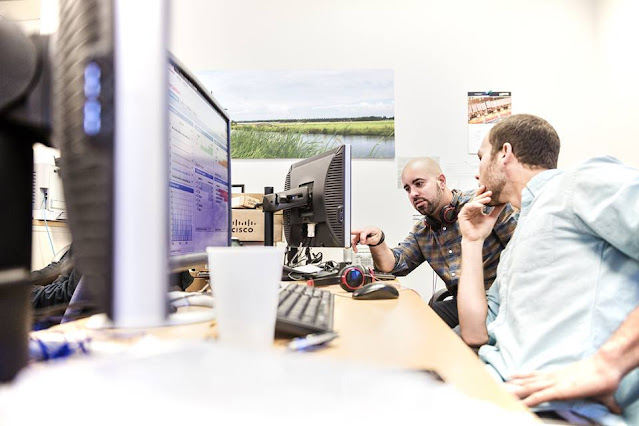
    Компании Microsoft, Mozilla и Opera Software поддержали решение Google блокировать цифровые сертификаты, с помощью которых спецслужбы Франции совместно с АНБ могли осуществлять слежку за госслужащими. Цифровые сертификаты выдал французский центр сертификации, который напрямую подчиняется агентству по защите информации и сетей ANSSI (Agence nationale de la securite des systemes d’information). Поддельный сертификат Google устанавливался на сетевом маршрутизаторе и мог использоваться для подделки пакетов в адрес ряда сайтов Google, включая google.com и youtube.com, фишинговых атак и MiTM-атак.

    Компания Google первой заблокировала эти сертификаты для пользователей браузера Chrome. Такое решение было принято после четырехдневного расследования. В понедельник аналогичным образом поступили Microsoft, Mozilla и Opera Software.

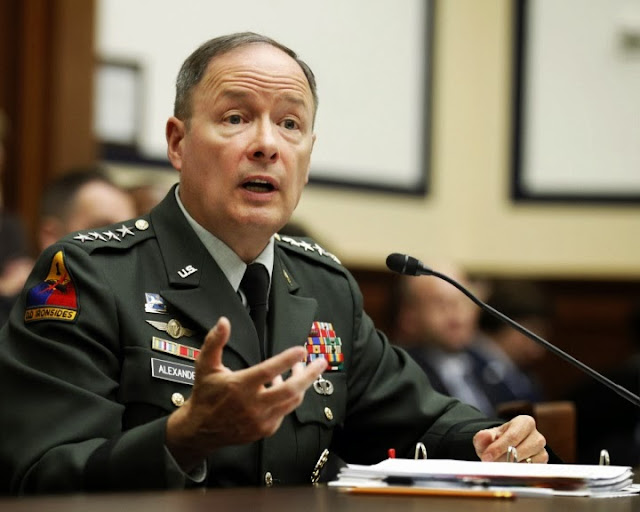
    Gen Keith Alexander talks about MiTM SSL

    Агентство ANSSI объяснило инцидент «ошибкой из-за человеческого фактора… возникшей во время процесса по усилению общей информационной безопасности министерства финансов».

    Аналогичные инциденты с выпуском поддельных сертификатов происходили и раньше. В середине 2011 года турецкий центр сертификации Turktrust выдал поддельный сертификат Google. Его обнаружили в декабре 2012 года и заблокировали в январе 2013 года. Сейчас реакция разработчиков оказалась более оперативной.

  • Как попасть на работу в АНБ

    Как попасть на работу в АНБ

    Вот уже почти два года сообщество любителей криптографии не может установить, что за организация скрывается под названием Cicada 3301. Эта группа осуществляет отбор лучших профессионалов в интернете, публикуя головоломки и шифры. Подобные методы часто используют спецслужбы. Например, подобные конкурсы проводит АНБ и британская GCHQ, последний закончился совсем недавно, у АНБ даже соответствующие приложения есть для Android и iPhone
    Однако, активность таинственной группы Cicada 3301 не похожа на обычные попытки отбора талантливых кандидатов.
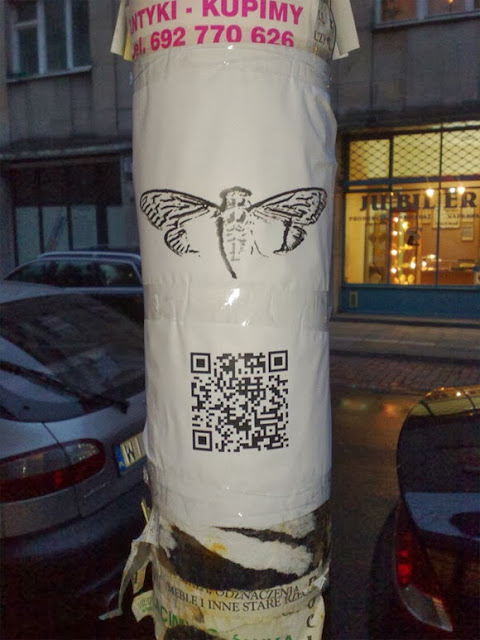
    Во-первых, это явно большая и серьезная организация, потому что онлайновые загадки совмещались с офлайновыми артефактами в десятках городов. На фотографии — один из постеров Cicada 3301, обнаруженный в Варшаве. Кроме него, постеры размещались в Москве, Сеуле, Сиэтле, Париже, Окинаве (Япония), Портленде (США), на Гавайях, Гранаде (Испания) и многих других городах.
    АНБ набирает криптоаналитиков
    Если кто-то и думал, что все эти криптографические конкурсы — прикол какого-то онлайнового шутника, то после появления постеров со знаком цикады по всему миру стало понятно, что дело серьезное. Наиболее распространенным мнением является то, что конкурс проводит ЦРУ, пишет The Telegraph.
    Первый раунд отбора с криптозагадками начался 5 января 2012 года и закончился тем, что были выбраны несколько победителей, которым раздали индивидуальные задания и запретили рассказывать о них публике. Сообщество осталось в недоумении. Особенно обидно было тем, кто не успел в числе первых зайти на зашифрованный сайт — они опоздали к раздаче заданий.
    Второй раунд конкурса начался 4 января 2013 года — тоже совершенно неожиданно. Таинственная организация опубликовала объявление, что снова начинает набор сотрудников. Все происходило примерно по тому же сценарию и тоже закончилось отбором победителей с раздачей индивидуальных заданий. Опять публика не получила ответа, кто же стоит за этой активностью.
    Поскольку секретная организация тщательно заметает следы и скрывает активность, одна надежда на то, что 4-5 января 2014 года она снова появится в онлайне с новым набором загадок. Ждать осталось совсем недолго.