«Крупные обнальные площадки, можно смело сказать, ликвидированы», — отчитался в марте об итогах проведенной зачистки глава Росфинмониторинга Юрий Чиханчин. Наступление на обнальщиков спецслужбы начали еще пять лет назад, новый поворот кампания по борьбе с обналом получила с приходом Эльвиры Набиуллиной на пост главы ЦБ в прошлом году. Всего за полгода рынок незаконной обналички в банках сократился более чем на треть, заявила она в начале апреля. Прежний глава ЦБ Михаил Игнатьев оценивал весь рынок незаконной обналички в 500 млрд рублей.
Нарисованная Банком России картина неидеальна: во-первых, признает Набиуллина, выросли риски использования крупных банков для проведения сомнительных операций, где они менее заметны. Во-вторых, эти операции перетекают в небанковские учреждения и принимают формы, которые не фиксирует мониторинг ЦБ. Быстрая адаптация рынка на зачистку закономерна: в России использование наличных денег в больших объемах это не только способ ухода от налогов и фактор риска легализации преступных доходов. Для бизнеса часто это способ выживания в неблагоприятной экономической, административной и коррупционной среде.
Как работают крупные обнальные площадки и кто за ними стоит — в нашей галерее, в которую попали примеры уголовных дел на сумму более 10 млрд рублей.
Борис Булочник
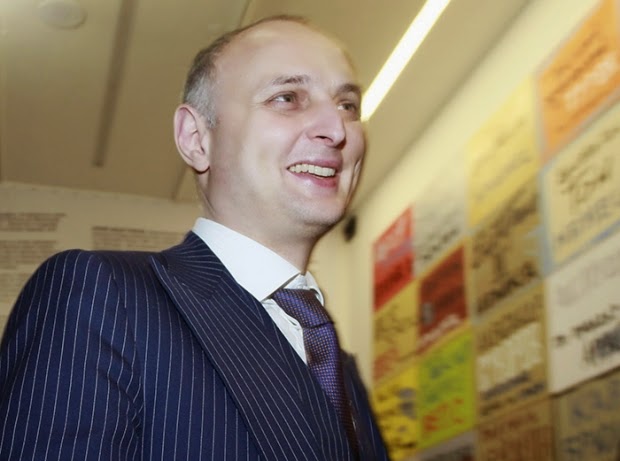

Должность: бывший предправления Мастер-банка
Статус: подозреваемый
Сумма: 200 млрд рублей (январь-ноябрь 2013 года)
Способ: Фирмы-однодневки, по версии следствия, перечисляли заемные средства на счета подставных физлиц из числа клиентов Мастер-банка, снимавших деньги в банкоматах в тот же день. По данным следствия, система включала более 200 фирм-однодневок, переводивших средства более чем на 2000 карточных счетов. В день банк обналичивал в среднем 1 млрд рублей за 3-7% от оборота.
Мастер-банк входил в топ-100 крупнейших российских банков и обладал третьей по величине сетью банкоматов из 3500 устройств. Банк был одним из старейших обнальных игроков и занимался этим бизнесом более 10 лет. К ноябрю 2013 года, когда Банк России отозвал у него лицензию, он занимал 40% рынка незаконной обналички. Владелец, предправления банка Борис Булочник скрылся за границей.
С 2007 года Мастер-банк был фигурантом в шести уголовных делах. Сейчас Главное управление экономической безопасности и противодействия коррупции МВД расследует дело о незаконной банковской деятельности, возбужденное в марте 2012 года. Об этом деле глава Комиссии по пресечению незаконных финансовых операций Виктор Зубков сразу же доложил президенту Владимиру Путину. В банке работал его двоюродный брат Игорь Путин: в 2010 году он был вице-президентом, затем стал членом совета директоров.
Сергей Магин

Должность: бывший председатель ТСЖ «Панорама»
Статус: обвиняемый
Сумма: 40 млрд рублей (2008-2013 годы)
Способ: По данным следствия, группа Магина сначала переводила средства клиентов на расчетные счета фирм-однодневок по поддельным договорам за несуществующие товары и неоказанные услуги. Далее фирмы переводили их через «Почту России» потребителям — физлицам, сдававшим наличные организаторам обнальной схемы. Группа работала с наличными деньгами, проходившими через рынок «Москва» в Люблино, поэтому стоимость услуг была невысока — 2% от оборота.
Группа также оказывала услуги по выводу денег за границу через прибалтийские банки. Деньги перечисляли по поддельным договорам на поставку импортных товаров или услуг за границей, например на фиктивный фрахт сухогрузов. Дальнейшая легализация происходила через покупку недвижимости в Испании, Италии, Австрии, Македонии и на Кипре, цены на которую были кратно завышены.
Магин был арестован в июле 2013 года. По оперативным данным МВД, вместе с ним по делу о незаконной банковской деятельности проходили финансист группы Вадим Рыбальченко, отвечавший за легализацию Максим Москалев и совладелец нескольких банков Дмитрий Аграмаков (Маст-Банк, Интеркапиталбанк и «Окский»). В схемах по обналичиванию и выводу денежных средств Магин, по версии следствия, задействовал более 100 юридических и 400 физических лиц.
Абдулла Гасанов

Должность: депутат Левашинского района Дагестана (партия «Единая Россия»)
Статус: подозреваемый
Сумма: 100 млрд рублей (2005-2012 годы)
Способ: По данным следствия, Гасанов руководил группой финансистов, создававшей фирмы-однодневки в Дагестане. Клиенты из диаспоры в Москве, Подмосковье и Ставрополе переводили им деньги по липовым договорам. Фирмы обналичивали деньги в республике, после этого деньги авиарейсом в виде наличных возвращались заказчикам.
Курьерскую работу выполняли сотрудники частного охранного предприятия «Карат-1», передвигавшиеся на бронемашинах. Тюки с деньгами они оформляли как печатную продукцию. Расчетно-кассовый центр располагался в подмосковных Химках.
Дело о дагестанской обналичке было возбуждено еще в мае 2012 года. С момента возбуждения уголовного дела ЦБ отозвал лицензии у 11 дагестанских банков. В марте 2014 года, за несколько дней до появления в деле нового фигуранта — депутата Гасанова, ЦБ отозвал лицензию у очередной дагестанской кредитной организации – банка «Дагестан», вовлеченного в проведение сомнительных операций.
Антон Горбачев

Должность: бывший гендиректор ООО «Дизайн Интерьер»
Статус: приговорен к 3,5 годам колонии общего режима (2014 год)
Сумма: 11,4 млрд рублей (январь-декабрь 2012 года)
Способ: На первом этапе нелегальные банкиры под руководством Горбачева перечисляли денежные средства фирмам-однодневкам по фиктивным договорам за непоставленные товары и неоказанные услуги. В этом ему помогали бывший гендиректор завода по переработке пластика «Полимер-Про» Филипп Золкин, а также его сотрудница Ольга Черникова. За свои услуги Горбачев удерживал комиссию в размере 2,1%, его доход составил 95 млн рублей.
Фирмы-однодневки переводили деньги через «Почту России» безработным Николаю Сметневу-Коркину и Анатолию Простякову, которые получали их наличными. Фирмы делали переводы по договору с «Почтой России» с использованием электронной цифровой подписи каждые полчаса суммами по 250 000 рублей. Переводы обрабатывала участница группы – сотрудница 170-го отделения «Почты России» на Кутузовском проспекте Людмила Богачева.
О подозрительных операциях сотрудницы «Почты России» стало известно правоохранительным органам, в декабре 2012 года группу задержали. Горбачев был осужден в феврале 2014-го, следствие в отношении участников группы продолжается.
Роман Недялков

Должность: бывший менеджер обменного пункта банка «Риком»
Статус: приговорен к 3,5 годам колонии общего режима (2013 год)
Сумма: 40 млрд рублей (февраль-октябрь 2011 года)
Способ: Клиенты Недялкова — серые импортеры и бюджетные учреждения — переводили средства фирмам-однодневкам за товары и услуги по липовым договорам, включавшим НДС. Оттуда средства, уже не облагаемые НДС, поступали на брокерские счета подконтрольных Недялкову инвесткомпаний. Через них он покупал акции «голубых фишек», а затем либо продавал их и обналичивал средства, либо переуступал их своим офшорным компаниям, переводившим выручку в прибалтийские банки. Эти услуги обходились клиентам в 3-8% от суммы сделки.
Силовики задержали Недялкова в ноябре 2011 года. Следствие инкриминировало преступной группе под его руководством обналичивание и вывод из страны более 100 млрд рублей, включая 15 млрд рублей неуплаченного НДС, на чем он лично заработал 1 млрд рублей, используя более сотни фирм-однодневок. До обвинительного приговора дошла сумма в 40 млрд рублей, личный доход от операций с которыми составил 8,7 млн рублей.
Недялков уже был ранее судим за подделку ценных бумаг (2005 год) и незаконный вывод денежных средств за рубеж (2011 год).
Алексей Зуев

Должность: нелегальный банкир
Статус: приговорен к трем годам условно с испытательным сроком пять лет (2014 год)
Сумма: 60 млрд рублей (январь 2009-го — декабрь 2010 года)
Способ: Безналичные деньги перечислялись на счета фирм-однодневок в банках Санкт-Петербурга, Москвы и Архангельска. Оттуда по договорам с региональным УФПС обнальщики переводили деньги через систему «Киберденьги» «Почты России». Адресатами были люди асоциального образа жизни, за них по доверенности наличные деньги получали участники незаконной схемы.
Стоимость почтового перевода невелика: для суммы до 500 000 рублей она составляет 250 рублей плюс 1,5% от суммы перевода (ранее 1%). Доход группы нелегальных банкиров за пару лет составил 1,5 млрд рублей.
Вместе с Александром Зуевым условные сроки получили другие участники группы — Андрей Коузов и Николай Ревенко. «Почту России» привлекли к административной ответственности: Росфинмониторинг оштрафовал предприятие на 50 000 рублей.
Алексей Френкель

Должность: бывший предправления ВИП-Банка
Статус: приговорен к 19 годам колонии строгого режима за убийство (2009 год)
Сумма: 38 млрд рублей (май 2005-го — ноябрь 2006 года)
Способ: Контролируемые Френкелем банки выдавали наличные юридическим лицам по поддельным документам на благовидные цели. Например, закупку сельхозпродукции, что не должно было вызывать подозрений, так как мелкие частные хозяйства использовали в обороте в основном наличные деньги. Необычным при этом был размер выданных средств. Например, ИнтеРУС-Банк с активами 200 млн рублей в течение нескольких месяцев до отзыва лицензии в августе 2005 года выдал аграриям 36 млрд рублей, $67 млн и €6 млн. По расчетам газеты «Ведомости», это была четверть зернового рынка страны и 8% мясного, не заметить таких вливаний в отрасли не могли.
Спустя год ЦБ отозвал лицензии еще у двух банков Френкеля: у ВИП-Банка — в июне, у «Европроминвеста» — в ноябре 2006-го. По данным ЦБ, «Европроминвест» с середины 2005 года обналичил 38 млрд рублей – ту же сумму, что и ИнтеРУС-Банк.
Сам Френкель признавал своим только ВИП-Банк, из-за отзыва лицензии которого судился с ЦБ.
Сам Френкель признавал своим только ВИП-Банк, из-за отзыва лицензии которого судился с ЦБ.
В сентябре 2006 года киллеры убили первого зампреда ЦБ Андрея Козлова, боровшегося с отмывочными банками. В январе 2007-го Френкеля задержали как предполагаемого заказчика убийства, за что спустя два года он был приговорен к 19 годам лишения свободы. Непосредственный исполнитель Алексей Половинкин приговорен к пожизненному заключению, его соучастник Максим Прогряда — к 24 годам лишения свободы.
В деле об убийстве содержатся прослушки разговоров криминального авторитета, короля обнала Джумбера Элбакидзе («Джуба»), в том числе с самим Френкелем. Из них следует, что при непосредственном участии Козлова было закрыто три обнальных банка Френкеля, среди которых «Европроминвест».
Михаил Глушнев

Должность: бывший предправления Роскомветеранбанка
Статус: приговорен к 3,5 годам колонии общего режима (2009 год)
Сумма: 54 млрд рублей (ноябрь 2005-го – январь 2006 года)
Способ: Банк покупал валютные векселя у фирм-однодневок, потом переоформлял их на подставных физлиц, которые получали по этим векселям наличные деньги через кассу. После одной из таких сделок в ноябре 2005-го на сумму $133 млн ЦБ запретил банку проведение валютообменных операций. Тем не менее банк продолжил выдачу наличной валюты. В январе 2006 года ЦБ отозвал лицензию Роскомветеранбанка, уличив его в обналичивании 35 млрд рублей.
По данным следствия, Роскомветеранбанк выдал за пару месяцев почти $2 млрд (54 млрд рублей). В это же время Глушнев вывел из банка 56 млн рублей, выдав 11 заведомо невозвратных кредитов. Арбитражный суд, рассмотрев дело о банкротстве банка, обязал Глушнева выплатить Агентству по страхованию вкладов 8,5 млн рублей в рамках субсидиарной ответственности. Глушнев признал свою вину, выплатил деньги АСВ и находился под подпиской о невыезде. Однако впоследствии он скрылся и при объявлении приговора не присутствовал. За его поимку было объявлено вознаграждение.
Дело Роскомветеранбанка использовал для своей защиты осужденный за убийство первого зампреда ЦБ Андрея Козлова банкир Алексей Френкель. В начале 2007 года газета «Коммерсантъ» опубликовала несколько открытых писем, в которых Френкель обвинил представителей ЦБ в неэффективной борьбе с обналичиванием и коррупции. Роскомветеранбанк, писал он, давно был в разработке у спецслужб: еще в мае 2005 года департамент экономической безопасности МВД РФ изъял у него 97 млн рублей неучтенной наличности.
Борис Сокальский

Должность: бывший предправления НЭП-банка
Статус: приговорен к 7 годам лишения свободы и штрафу 1 млн рублей (2009 год)
Сумма: 62 млрд рублей (май-сентябрь 2004 года)
Способ: Безналичные деньги поступали в фирмы-однодневки, которые перечисляли их благотворительным фондам и некоммерческим организациям, зарегистрированным на утерянный паспорт. После этого фонд снимал деньги по поддельным чекам. Такая схема позволяла обходить запрет юридическим лицам на использование при расчетах наличных сумм свыше 60 000 рублей, при этом фонды могли не уплачивать НДС. Ежедневно через «НЭП Банк» проходило 200-800 млн рублей. За услуги банк получал 2% от оборота.
Фирмы-однодневки работали через подконтрольные Сокальскому структуры: НЭП-банк, а также банки, где, по мнению следователей, он был теневым владельцем — АКБ «Родник», АКА-Банк и УКБ «Центурион». В НЭП-банке официально работали всего пять человек, организация практически не занималась другими операциями, кроме обналичивания. Расчетно-кассовый центр располагался на территории оборонного предприятия, где банкиры хранили наличку в мешках. Лицензия НЭП-банка была отозвана в конце 2004 года.
Когда один из банков попадал в поле зрения регулятора, Сокальский выводил оставшиеся активы в офшоры и покупал очередной банк с лицензией по цене порядка $1 млн, всего в деле фигурировало 8 банков. Некоторые из них по объему обналичивания порой обгоняли Сбербанк, говорил первый зампред ЦБ Андрей Козлов, который активно боролся с обнальщиками и был убит за профессиональную деятельность в 2006 году.
Сокальского задержали в марте 2007 года в Арбитражном суде Москвы, куда он устроился секретарем. Его осудили на 7 лет лишения свободы, но после 3 лет заключения в 2010 году освободили в связи со смягчением уголовного законодательства по «экономическим» статьям. Следствие вменяло ему обналичивание средств в разных валютах на общую сумму $12 млрд в течение нескольких лет. В конечном итоге сумма была снижена до 62 млрд рублей, за обналичивание которых он лично получил 12 млн рублей.
Организатором схемы с участием банков Сокальского пресс-служба Департамента экономической безопасности МВД в 2006 году называла Джумбера Элбакидзе. Криминальный авторитет, известный как «Джуба», финансист крупнейших «воров в законе», был заочно арестован и объявлен в международный розыск. После этого его место мог занять финансист Евгений Двоскин, писала газета «Коммерсант» в 2008 году, ссылаясь на оперативные данные МВД. Двоскин был фигурантом десятков уголовных дел в России и США, по распоряжению Следственного комитета РФ на него распространено действие программы защиты свидетелей.
Яна Макарова

Должность: бывшая предправления банка «Нефтяной»
Статус: приговорена к 3,5 годам колонии общего режима (2008 год)
Сумма: 13 млрд рублей (2002-2003 годы)
Способ: Топ-менеджеры банка «Нефтяной» использовали для обналичивания десятки фирм-однодневок, получавших деньги по фиктивным договорам. Руководителями фирм значились люди, которые не знали об этом. По указанию топ-менеджеров бухгалтерия выдавала деньги однодневкам, не спрашивая кассовых чеков.
Процесс обналичивания был автоматизирован, документация и серверы хранились в подвальном помещении банка. В течение двух лет банкиры провели сомнительные операции на 400 млрд рублей и $300 млн. Кроме того, они незаконно обналичили 13 млрд рублей, получив доход в 163 млн рублей.
Генпрокуратура возбудила дело в отношении руководителей «Нефтяного» в феврале 2005 года, тогда же они покинули банк. Через год Банк России отозвал у банка лицензию. Еще через два года его руководители были осуждены: предправления банка Яна Макарова и начальник отдела векселей Вера Гаврилова приговорены к 3,5 годам заключения. Зампред правления Станислав Просолов — к 4 годам, а зампреды Андрей Салимов, Марина Борисова и главбух Наталья Фролова получили сроки по 5 лет. Бывший владелец банка Игорь Линшиц был подозреваемым, но в 2010 году дело в отношении него было прекращено.
Глава совета директоров банка «Нефтяной», один из руководителей партии СПС Борис Немцов связывал давление на банк с оппозиционной деятельностью экс-премьера Михаила Касьянова, которого спонсировал Линшиц.